Biography
Beginnings
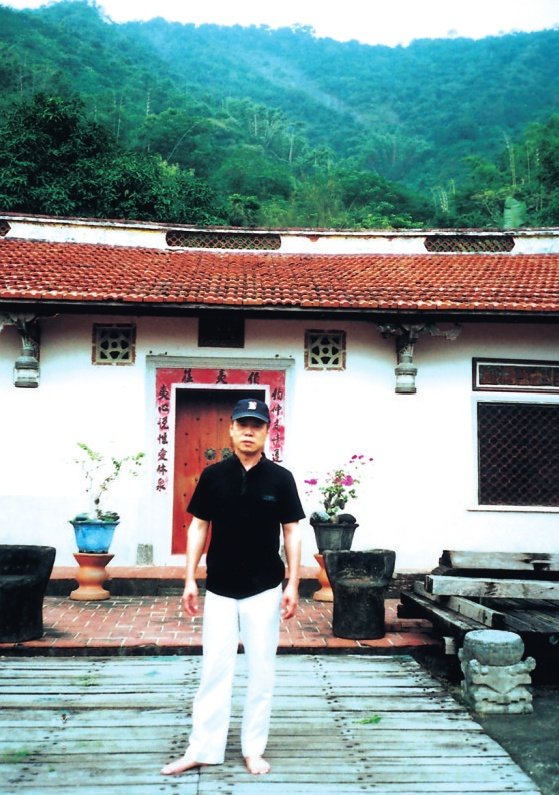
Born into humble beginnings with ancestral roots in Quanzhou, Fujian, Mr. Hsu studied in Japan in his youth and later served in the military as a medical officer. Beginning in the 1970s, he built his career from the ground up, entering the real estate industry and achieving notable success in business.
His business was based in Kaohsiung, the great industrial city of southern Taiwan. At the height of its success he suddenly withdrew, secluding himself from the crowds at his own Po-Yih Country House in Ciwei Mountain — living on fruits and vegetables, thinking and meditating, with only a monkey for company. He was 38 years old.
He then embarked on extensive global travel, visiting more than a thousand cities, towns and tribal communities worldwide.
Searching for the gemstones
Master Po-Yih Hsu is a legendary character. He had his own business in Kaohsiung, the big industrial city of southern Taiwan. Though his business was going well at the time, he suddenly withdrew from business. He secluded himself from the crowds and lived in his own “Po-Yih Country House” in Ciwei Mountain. He lived on fruits and vegetables in the natural environment. He spent time thinking and meditating. He had the company of a monkey. He was 38 in that year.
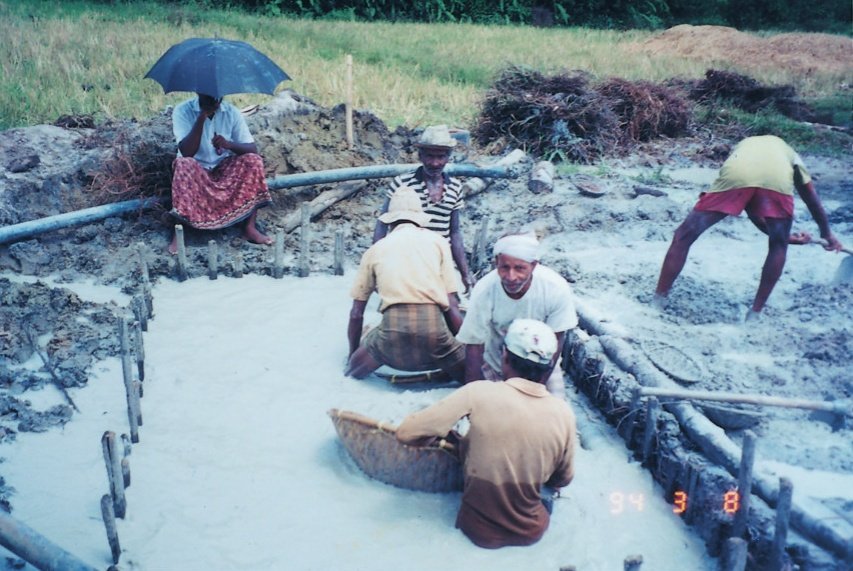
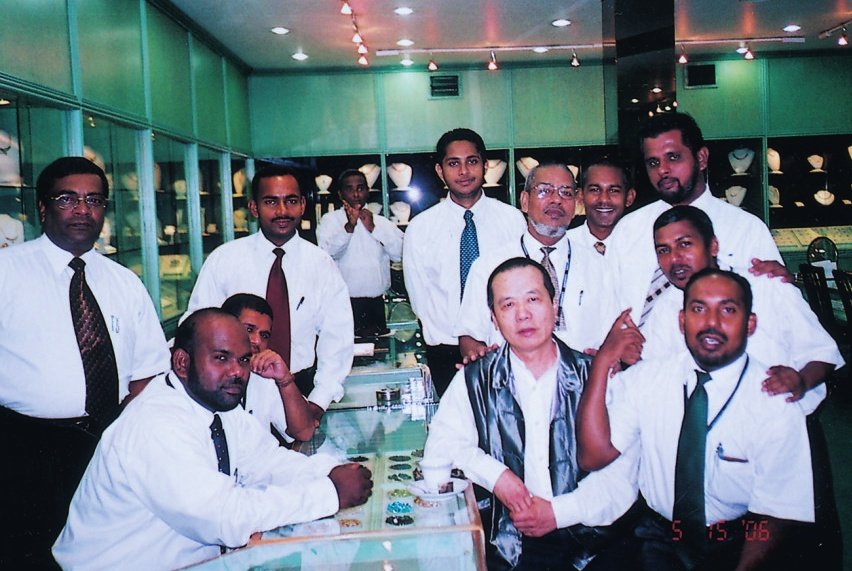
After getting out of his business, Master Po-Yih Hsu had more free time to do whatever he liked. Apart from his seclusion in the woods and mountains, over the past 20 to 30 years, he also traveled all around the world. From the east to the west, from the Arctic to the Antarctic, he visited many places before the boom period of world travel. He visited Tanzania, Madagascar, Mozambique, Uganda, Colombia, Cambodia, India, Russia and the so-called third world countries at that time. He reached these places where people hardly went and where there were reserves of precious stones. At that time there were not as many international jewelry companies as there are today. The locals knew already to find gold for exchanges of cash or food supplies. While Master Hsu traveled around these poor countries in the third world, he was very generous in giving relief. As a doctor, he treated and cured countless destitute patients without asking anything in return. He was so selfless to do things for free. Beyond expectations, he got precious stones instead.
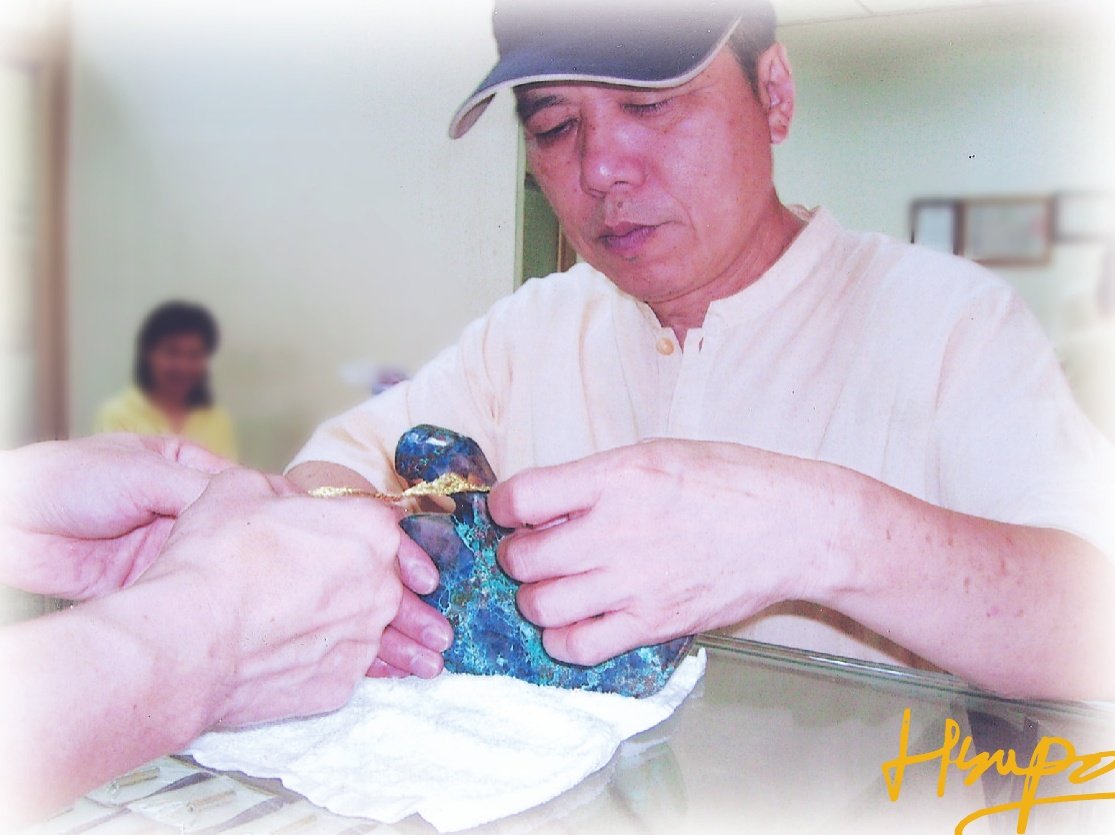
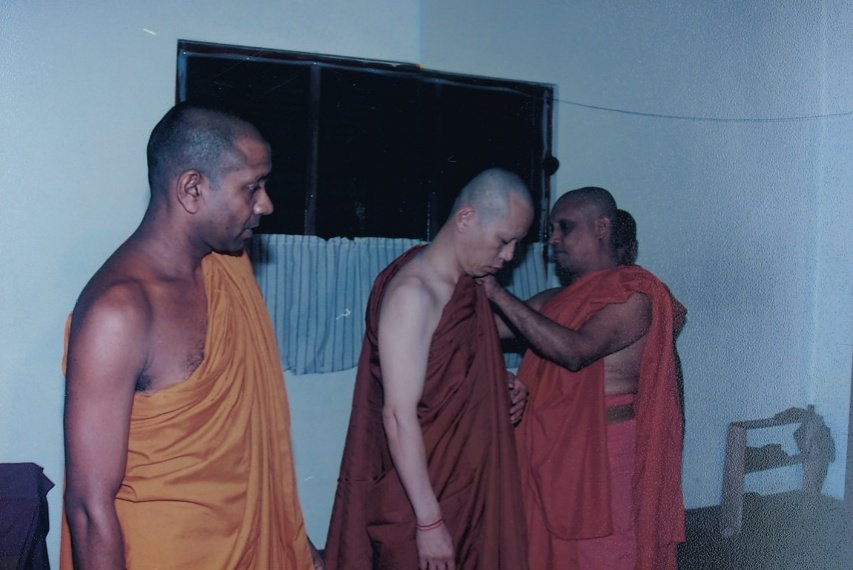
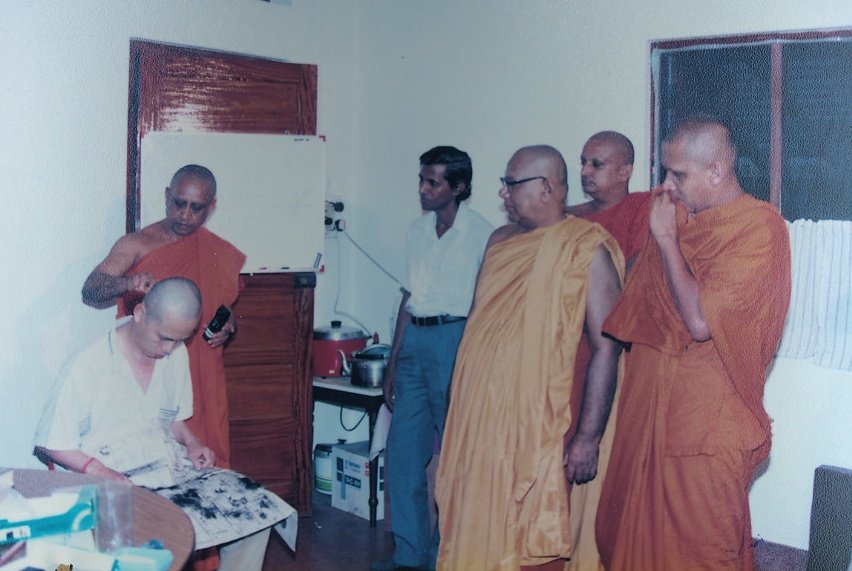
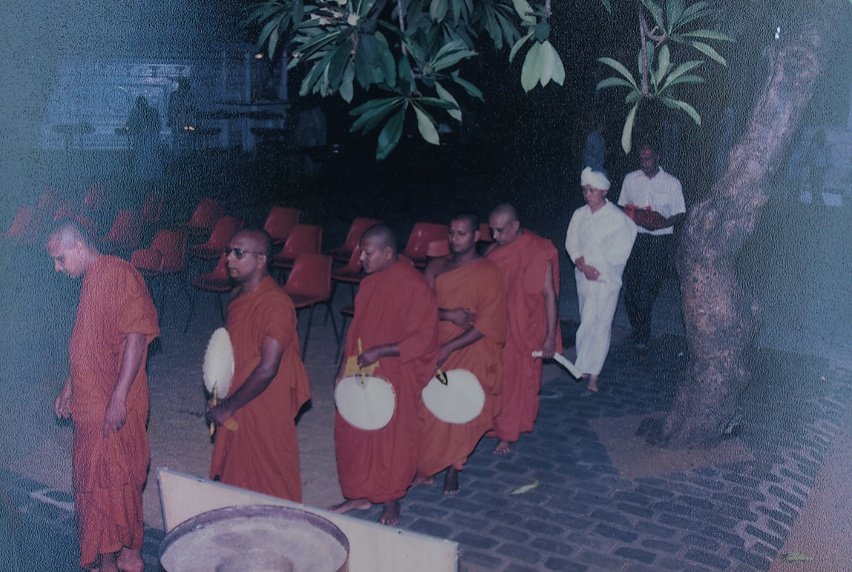
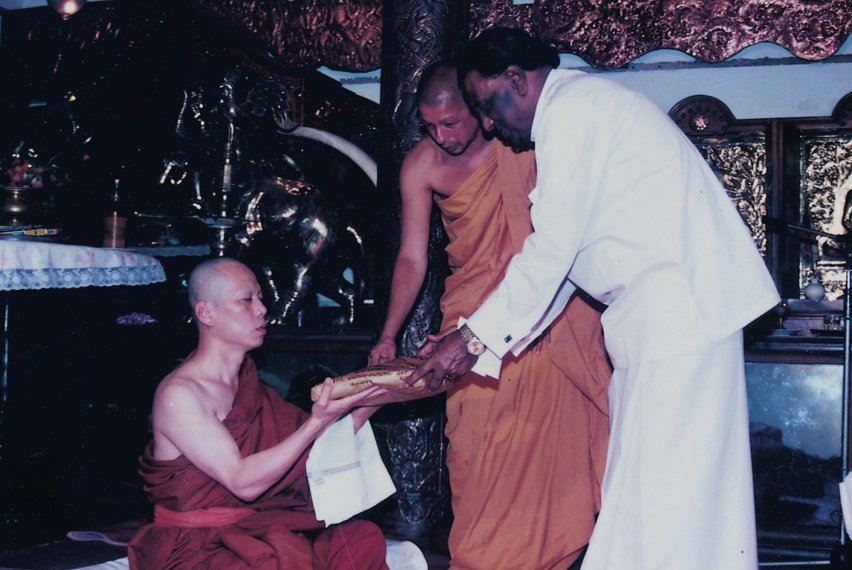
In 1992, Master Hsu traveled to Sri Lanka and witnessed numerous poor people lacking medical assistance. He was very willing to help them. Owing to the local regulations of medical law, he decided to be a monk. Afterwards he practiced medicine to treat the sick and to take care of the poor. There he spent nearly a year as a monk with a bowl in hand, meditating on his life. During the year, many things like legends happened to him. Once, the son of a local Muslim imam got seriously ill and needed urgent medical treatment. Master Po-Yih Hsu, as a Buddhist, without a second thought rushed to help him. Because of the two men’s different religions, there might be some conflicts, and many local friends tried to stop him. However, he always liked to help those particularly in need, so he insisted on going to help the sick person in his Muslim community. In the end, Master Hsu cured the imam’s son and saved his life. To show appreciation of his help, Muslims from the villages brought several precious stones in return to express gratitude. Master Hsu couldn’t but accept their good will in the end. He picked a huge and beautiful sapphire. This sapphire, after so many years through his design work, is made into the centre piece (The Great Perfection) of the art works in this exhibition.
Master Hsu collected countless precious stones. This was not because he himself was a professional jewelry agent. In the past, he never intended to search for such stones. Unimaginably, it is because he has had so many chances in the places he went: he got precious stones either because the residents who lived in the reserves of precious stones needed cash or because the patients he treated gave precious stones as gifts. Over 20 to 30 years, unexpectedly, Master Hsu always happened to obtain precious stones. The huge numbers of precious stones have become his art works later, as he works on the design of jewelry.
Philosophy
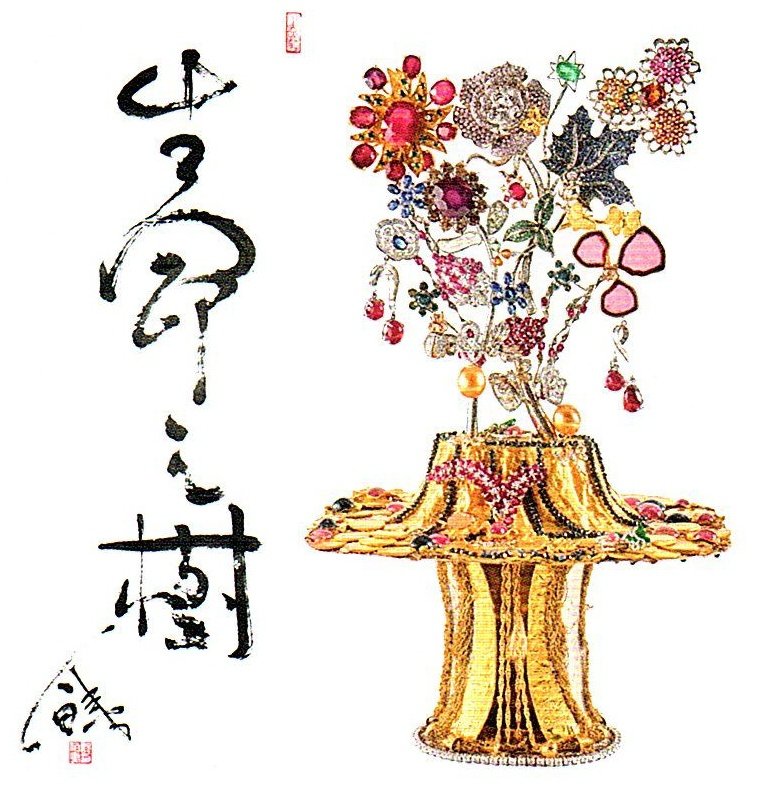
“Treasure” can refer widely to precious objects or jewels from around the world. A jewel’s preciousness relies not only on its rarity and price but, more importantly, on the magnificence of time and space and the nature of the universe in its shaping. Nurtured in the earth for thousands of years, discovered by keen eyes and meticulously cut and polished, each jewel stands for a condensation of the universe.
Master Hsu uses an immense concept of the universe to create his works. Their imagery ranges from the universe, outer space, the stars, the moon and the five elements — gold, wood, water, fire and earth — to the Earth, Taiwan, Chinghuan College (Po-Yih Country House), the submarine world, life on land, flowers and grasses, insects, heaven and earth, through mankind and kings, to the eternal turning of the Wheel of the Law and auspiciousness, until benevolence emerges in perfection. All of them emphasise the spaciousness of the universe, the harmony between the universe and humanity, and the orderly relation between humans and nature.
His artistic creations resemble immersive journeys through grand, fantastical installation environments, guiding audiences into expansive works infused with profound compassion and universal love.
Focus areas
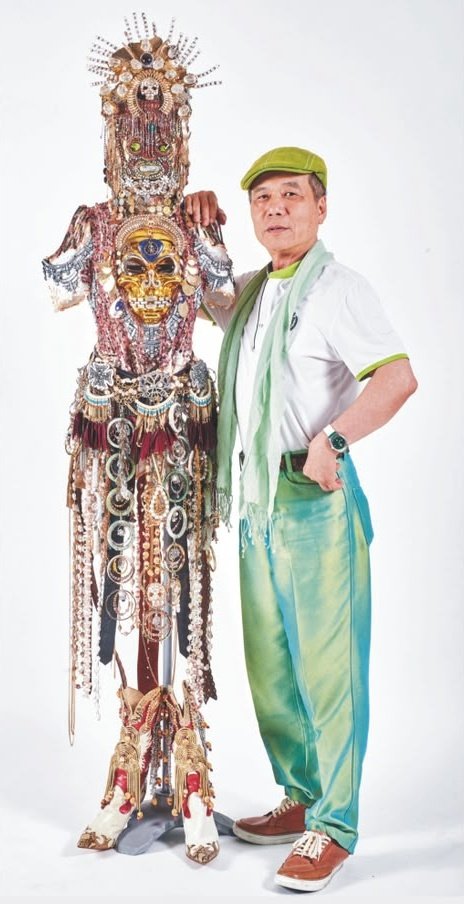
- Gemstone and jewelry design — for ten years he designed and polished the stones he had collected — diamonds, emeralds, opals, rubies, sapphires and topaz — working with master jewelers from 11 workshops who shaped each piece by hand. Nearly one hundred works were made.
- Installation — immersive works such as The Love God, which unites natural gemstones and bones on a single platform.
- Painting — including Earth’s Original Face, Scorched Earth and the oil painting One Hundred Sons and a Thousand Grandsons, now in the National Art Museum of China.
- Calligraphy — as in the brushwork title that accompanies Tree of Life.
- Collecting — precious stones gathered over 20 to 30 years of travel in Africa, Asia and the Americas.
Now in his eighties, Mr. Hsu continues to enrich his life through a remarkable range of pursuits, including the qin, chess, calligraphy, painting, music performance, martial arts, qigong, dance, acrobatics, environmental art, fashion design and stage performance — a life of vibrant creativity, depth and fulfilment.
Humanitarian service
Mr. Hsu spent nearly two years in Sri Lanka living as a monk, practicing medicine and surviving on alms, and extended humanitarian aid to impoverished communities in Africa. He took part in disaster relief during the major floods in Anhui and Jiangsu, the 1999 Chi-Chi Earthquake in Taiwan, the earthquake in Turkey and the Wenchuan Earthquake in Sichuan.
Witnessing suffering first-hand throughout his travels, he has devoted decades to charitable work, guided by compassion and a deep sense of social responsibility. By embracing diverse cultures and drawing on the strengths of different traditions, he has become a true cultural ambassador of the global community.
Legacy & Foundation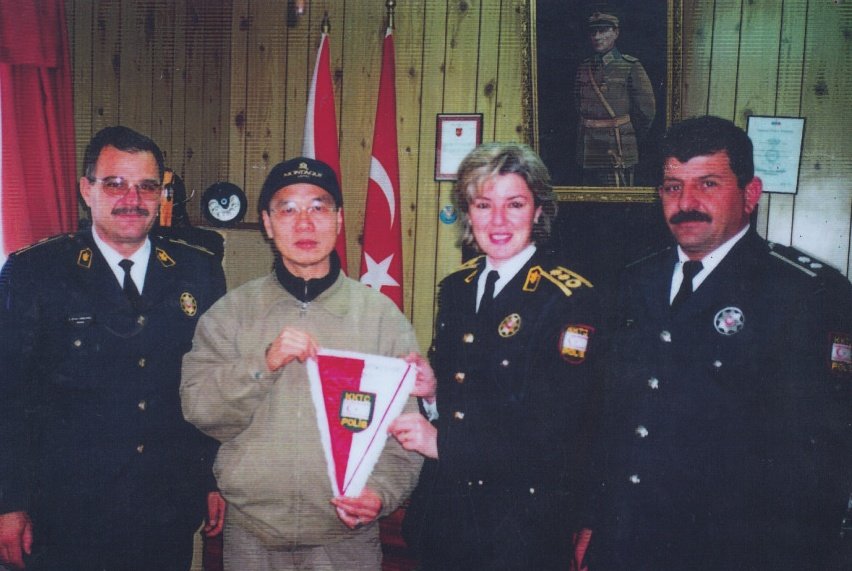
Positions & honours
Over the years he has delivered hundreds of lectures and keynote presentations at academic institutions and cultural organisations on both sides of the Taiwan Strait.
- International Master of Intangible Cultural Heritage, recognised by UNESCO
- Honorary Chairman, Australian Chinese Chamber of Commerce
- Honorary Chairman, World Women Artists Association
- Founder, China Theatre Golden Lion Award
- Honorary Professor, Central Academy of Drama
- Research Librarian, Peking University
- Lifetime Honorary Curator, Qingdao Film Museum
- Distinguished Professor, Qingdao Film Academy
- Chair Professor, Beijing City University
- Visiting Professor, Beijing Institute of Fashion Technology
- Visiting Professor, Communication University of China
- Professor, Fuzhou Liming College
- Advisor, National Cheng Kung University and National Kaohsiung University
- Guest lecturer, Kun Shan University, Tajen University and Lunghwa University of Science and Technology
- Advisor, AI research team, CIBCI Research Lab, University of Technology Sydney (2026)
- Gold Award, 1st and 5th Wenxin Awards, Council for Cultural Affairs, Executive Yuan (1998, 2002)
Milestones
- YouthStudies in Japan, then serves in the military as a medical officer.
- 1970sBuilds a career from the ground up in real estate, achieving notable success in business.
- Age 38Withdraws from business to live in seclusion at Po-Yih Country House, Ciwei Mountain.
- 1980sArt and jewelry exhibitions begin, later shown in Taiwan, mainland China, Hong Kong, Macau and Europe.
- 1992Lives as a monk in Sri Lanka, practicing medicine and surviving on alms; receives the sapphire that becomes the heart of The Great Perfection.
- 1998Gold Award, 1st Wenxin Awards, Council for Cultural Affairs, Executive Yuan.
- 1999Disaster relief after the Chi-Chi Earthquake in Taiwan and the earthquake in Turkey.
- 2002Gold Award, 5th Wenxin Awards.
- 2008Creates Tree of Life — Life Is Limited but Wisdom Is Infinite.
- 2017Presents the “Great Love Without Borders” series at the 10th Florence International Biennale of Contemporary Art.
- 2024Special lecture at Xiamen University; keynote speech at the Aoshan Forum of Shandong University.
- 2025Solo exhibition at Peking University; his oil painting One Hundred Sons and a Thousand Grandsons is collected by the National Art Museum of China.
- 2026Joins the AI research team at the CIBCI Research Lab, University of Technology Sydney, as an advisor.